
AI virtual try-on & AR shade matching
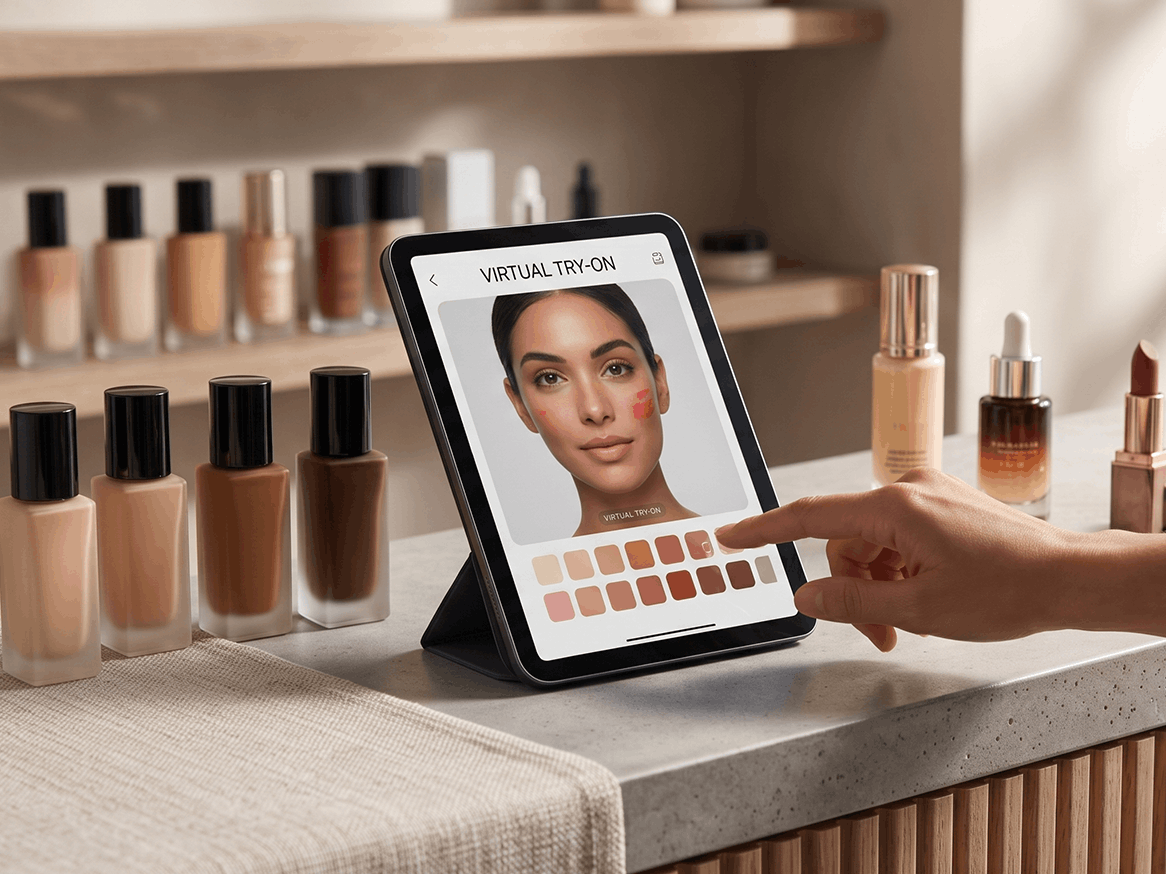
Photorealistic try-on for makeup, skincare effects, and hair color, tuned for accuracy across skin tones and lighting conditions, built to reduce returns and increase time on site.

Vibrant Info designs and builds beauty and cosmetics software development solutions that turn a fast-moving product catalog into a fast, personal, and reliable digital experience – from AI virtual try-on and skin analysis tools to DTC ecommerce, subscription commerce, and salon and spa booking platforms. We build beauty tech solutions for brands that ship new shades and new SKUs faster than most platforms can keep up with.
Dream Beauty, a DTC skincare and beauty brand selling on its own Shopify storefront, chose Vibrant Info for its beauty and cosmetics software development. We rebuilt the brand’s ecommerce experience on Shopify -product filters, richer product imagery, verified customer reviews, and a fully responsive mobile experience – so shoppers get a consistent, trustworthy buying experience on any device. It’s the same standard we hold every beauty ecommerce development project to: fast, mobile-first, and built to earn trust at the point of purchase.
The build replaced inconsistent branding and thin trust signals with verified reviews, secure payment badges, clear return policies, and real-time order tracking – plus site-speed optimization through image compression and lazy loading. One reason we treat conversion and credibility as one problem on a beauty storefront, not two separate projects.
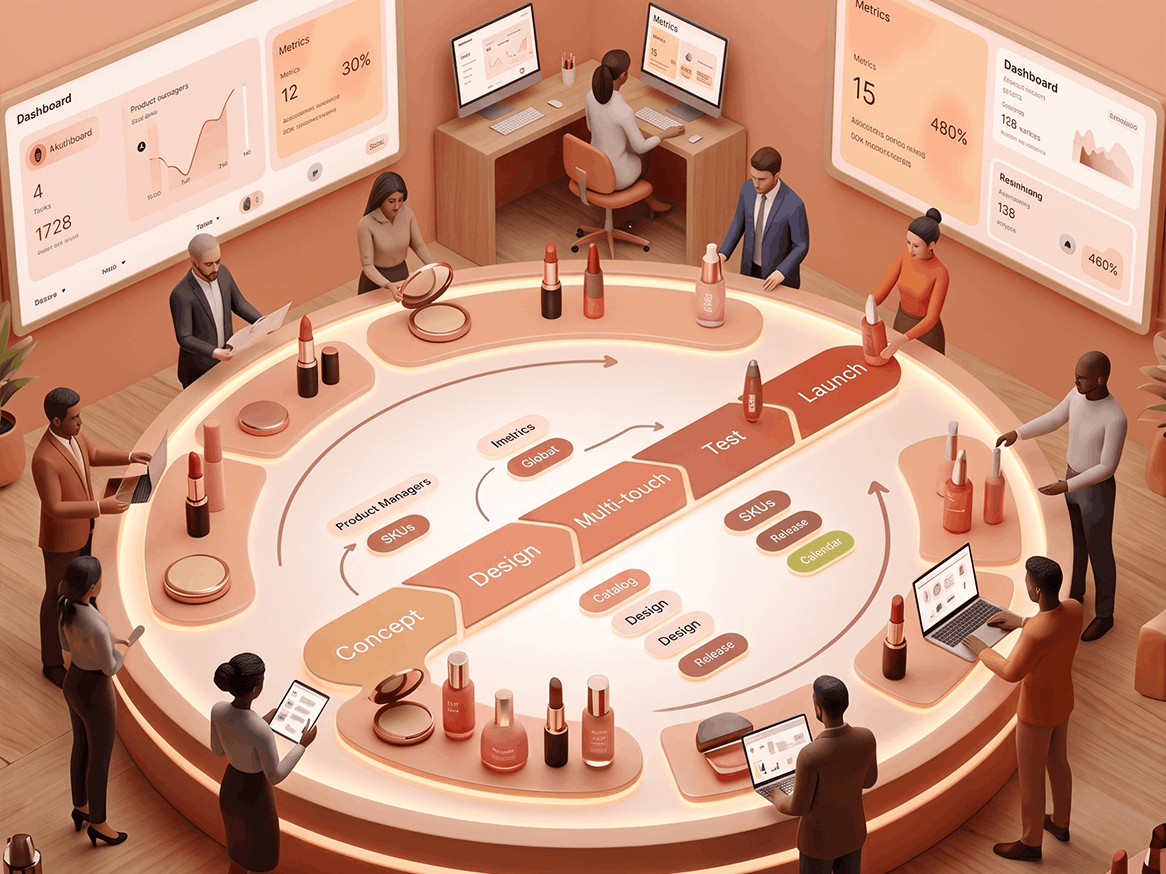
Beauty and cosmetics brands compete on two things most software isn’t built for: shade and formula complexity, and the speed of the release calendar. A foundation line alone can carry 40+ SKUs across shade, finish, and size -and a virtual try-on, inventory system, or ecommerce platform that can’t represent that accurately is a return waiting to happen. For us, beauty and cosmetics software development means designing for high SKU counts, frequent drops, and a customer who expects the product to look right before they buy it.
We’ve spent over a decade building commerce and personalization platforms that pair beauty-specific domain knowledge with pragmatic engineering, so what ships actually converts instead of becoming a maintenance burden after launch. That covers AI virtual try-on and AR shade matching that cuts return rates, AI skin and face analysis tools that turn a selfie into a personalized routine, subscription and replenishment commerce for consumable products, and the salon, spa, and booking software that runs the service side of the business.
Whether you’re a DTC skincare brand, a color-cosmetics house, or a salon or spa chain, the same question drives every build: how do we make the product feel personal and accurate at scale, without slowing down the next launch?
Return rates are high because customers can't tell how a shade or shade will actually look on them before they buy.
AI virtual try-on and AR shade matching built on real skin-tone and lighting data, so what a customer sees online is close enough to what arrives that returns actually drop.
The catalog has grown to hundreds of SKUs across shade, finish, and size, and the storefront and inventory system can't represent the variants cleanly.
Beauty ecommerce development with a variant and catalog architecture designed for shade and formula complexity from day one, not bolted on after the SKU count outgrew the platform.
Customers want personalized product and routine recommendations, but the brand has no reliable way to turn a selfie or quiz answer into a real recommendation.
AI skin analysis and recommendation engines that convert an image or a short quiz into a routine the customer trusts -the same personalization layer behind the AI beauty tools reshaping the industry in 2026.
Subscription and replenishment revenue is capped because the platform can't handle flexible cadences, swaps, or pause-and-resume without manual support tickets.
Subscription commerce built for beauty's specific patterns -cadence changes, product swaps, and bundling -so recurring revenue grows without growing the support queue.
Salon or spa bookings, staff schedules, and retail sales sit in separate systems, so head office can't see a single view of the business.
Beauty and salon software that connects booking, staff scheduling, POS, and retail into one system, so reporting becomes a dashboard instead of a month-end reconciliation.
Six product types we have shipped again and again for this vertical — each one adapted to how your operation actually runs.
Photorealistic try-on for makeup, skincare effects, and hair color, tuned for accuracy across skin tones and lighting conditions, built to reduce returns and increase time on site.

Selfie- or quiz-based skin and face analysis that turns a scan into a personalized product or routine recommendation, the same pattern driving the shift to evidence-based AI diagnostics across the industry.

Storefronts built to handle shade, size, and formula variants cleanly, with the speed and flexibility to support frequent drops and limited releases.

Flexible cadence, swap, and bundling logic for consumable beauty products, designed to grow recurring revenue without a manual support burden.

Appointment booking, staff scheduling, and client history in one system, wired into retail and POS so the service and product sides of the business share one source of truth.

Sell-through, shade-level demand, and subscription churn turned into decisions your merchandising and ops teams can act on before the next release.
Beauty and cosmetics software development rarely stops at one deliverable -a virtual try-on rollout usually surfaces a need for better catalog architecture, then personalization, then subscription infrastructure a year later. We keep strategy, design, engineering, and growth under one roof so each phase builds on the last instead of starting over with a new vendor each time.
Not sure which piece to build first? Most beauty and cosmetics engagements start with a two-week discovery sprint - you walk away with a scoped roadmap and a fixed estimate, whether or not you build it with us.
We pick the stack that fits the problem, not the one that's trending this quarter.
The result is beauty and cosmetics technology your own team can maintain long after launch, not a black box that only we can touch.
Most first releases ship in 10–16 weeks. Discovery takes two weeks, then we work in two-week sprints with a working demo at the end of each one.
Yes. Virtual try-on and AR shade matching are configured to your actual shade range and product photography, not a generic library, so what customers see matches what you sell.
Yes. We regularly connect new builds to the ecommerce platforms, POS systems, and booking tools beauty brands already run, rather than asking you to replace them.
Yes - skin and face analysis can run with on-device or session-based processing, so recommendations are generated without storing biometric data longer than the session requires.
We do - monthly retainers cover monitoring, fixes, and a set allocation of new feature work, so a try-on tool or booking platform keeps working as your catalog and customer base grow.